SWIFT needed to rethink how it supports customers across channels — deflecting cases to self-service without losing satisfaction. We ran a participative, service-design-led strategy: 10 stakeholder interviews, 1,000 cases analysed, three customer journeys redesigned end to end.
SWIFT needed to rethink how it supports its customers across channels — deflecting more cases to self-service without losing the satisfaction its users expect. We ran the work as a participative strategy, mixing service design and product design, and built it alongside SWIFT's own stakeholders rather than in a silo.
The engagement, at a glance:
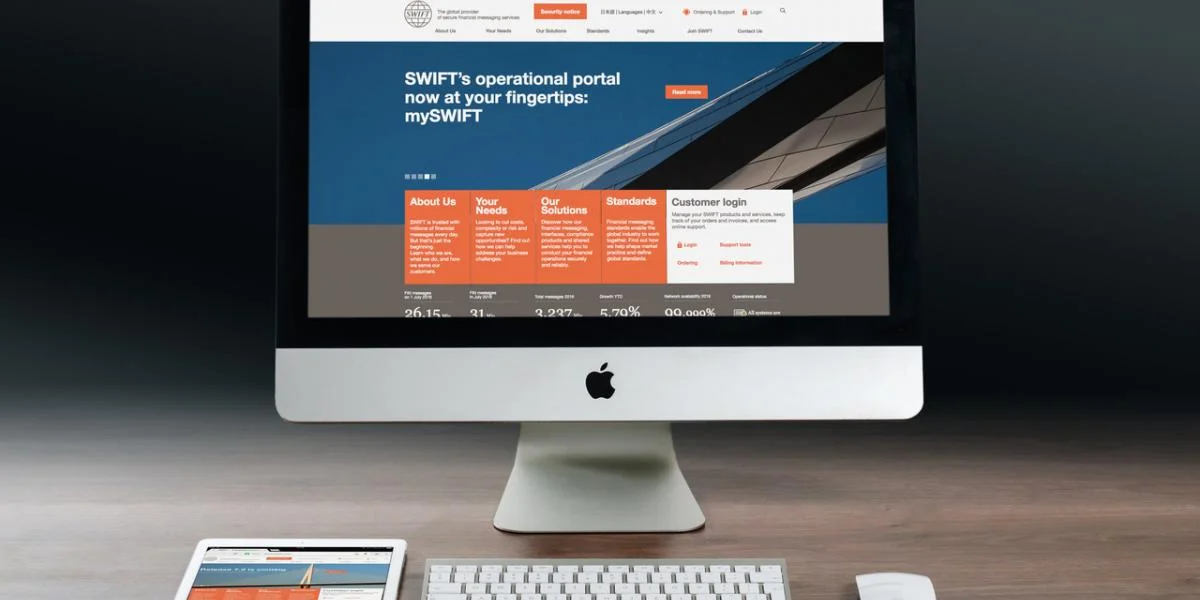
Defining a support channel strategy meant holding several goals in tension at once:
Defining that strategy required a participative methodology, mixing service design and product design — not a strategy handed down, but one built with the organisation.
The first phase gathered the data and the people needed to align on a shared picture. We ran the work across four tracks feeding a single insights dashboard:
We brought all stakeholders into a one-day alignment session to share a common diagnostic and orient the strategy. It combined a training moment to level shared knowledge — self-service myths and realities, customer-experience principles — with a presentation of the consolidated insights dashboard and the as-is customer journey: the meta journey, the detail by steps, and the different use cases (clusters of cases, customer types). From there we identified the customer moments of truth, the journey misfunctions and the key challenges to reach the strategic objectives, and proposed a first version of the new multichannel support journey.
The final phase turned those orientations into a concrete support channel strategy, through three solution-design workshops and a validation meeting with stakeholders — a small working team, an iterative process. We delivered:
The hard part of a support strategy isn't drawing the target journey — it's getting an organisation to adopt it. By mixing service and product design and running the whole thing participatively — from the 10 interviews to the workshops — we built a strategy grounded in how SWIFT's support actually works, and owned by the people who'd run it. Insight to alignment to blueprint, with the stakeholders in the room at every step.
Ready when you are
30 minutes. No pitch deck. Just an honest conversation about where you are and where you want to go.
A project in mind? Let’s talk.

Belly for instinct, Brain for evidence. A digital & marketing consultancy for startups, SMEs and large groups, in Belgium and abroad.
Follow us on LinkedIn